Gastronomic tourism
Local products, traditional dishes and even Baroque recipes
Discover everything you can’t miss in Nuevo Baztán, and end your visit with the best local delicacies.

D.O. Madrid Wines
All the vineyards in Nuevo Baztán belong to the Denomination of Origin “Vinos de Madrid”, located in the Arganda subzone. Marked by the Tajuña and Henares rivers, it stands out for its birdlife and historic heritage, and it is also the largest of the four D.O. subzones, with 28 wineries.
Of those 28 wineries, one of them, Bodega Cuarto Lote, is located in Nuevo Baztán within the area formerly known as the Arrabal del Conjuro, part of the historic complex.
They produce both Malvar white wines, the native grape variety, as well as red wines predominantly from Tempranillo (40-year-old trellised vines) and other highly aromatic varieties such as Syrah, Merlot or Cabernet Sauvignon, aged around 20 years.
At this winery, the entire winemaking process is carried out, from cultivation to processing, fermentation, ageing and bottling. You can purchase these wines in their shop, or taste them through organised tastings or in some nearby restaurants.
Meats and cheeses
Nuevo Baztán does not stand out for large-scale agricultural production, with a large part of its area devoted to meadows and cereal grasslands for the region’s livestock farms.
Thanks to their long-standing tradition and artisan production, Hijos de Sebastián Gascueña stand out for their own cattle and goat rearing. In their butcher’s shop near the historic centre and in nearby stores you can find some of their high-quality meats, homemade cured meats, and artisan goat cheeses.
Local cuisine is intrinsically Castilian, with traditional homemade stews as well as roasts—especially lamb—which you can find in the municipality’s various restaurants and bars.


Among them, these popular dishes stand out as must-tries when visiting the municipality:

Traditional Madrid Cocido
Very popular among visitors, almost always requiring a reservation at local venues that prepare the traditional Madrid cocido. It is served in its three courses, with the difference that it is cooked in clay pots over a slow fire fueled by holm oak wood, native to the area, which gives it its own aroma.

Bull Stew
One of Nuevo Baztán’s most popular dishes due to its livestock tradition, part of the shared culture of local residents, cooked in a cauldron with a tripod over wood from local trees for that typical smoky touch.
During the Patron Festivities of the Most Holy Christ of Socorro, it is traditional to prepare this stew on the last day. To take part in cooking the stew, you must register through the town hall, which supplies the ingredients with meat from local livestock farms, and all the necessary utensils to celebrate the closing of the festivities together.

Goyenejos
One of the local initiatives to highlight local ingredients and create a signature bite for Nuevo Baztán, originating at LaRED Mercado. They were inspired by the twinning with the French town of Veuche, using brioche bread as the base, and their name pays tribute both to the founder Goyeneche and to iconic dishes of traditional Madrid cuisine: gallineja and entresijos.
Among the original flavours are Oreja (griddled ear carpaccio with spicy brava sauce), Shredded Meat (with yoghurt sauce, jalapeño and red onion), and Cheese (from the region and tomato jam from Loeches). From these, other very popular ones were created, such as Negro (battered squid, ink and aioli sauce), as well as the following sweet Goyenejos: torrija and rice pudding.
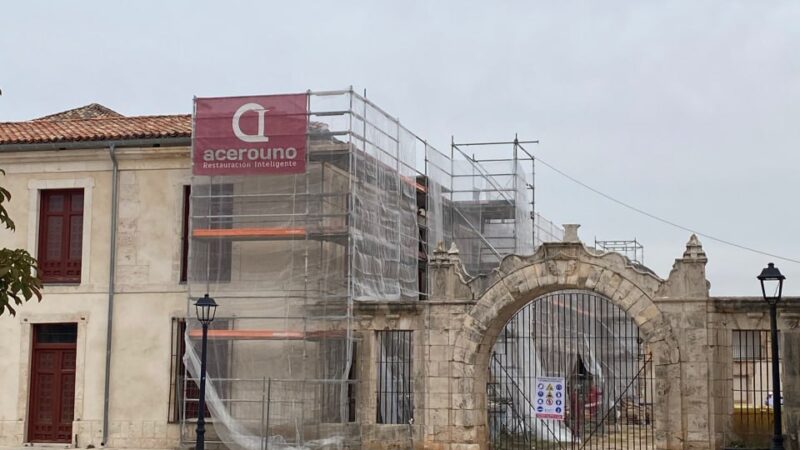
Despite all this, LaRED Mercado, where these bites were available, is currently undergoing restoration works, so they cannot be tried right now. However, they were popular enough that visitors and locals alike are eagerly awaiting their return.

Repápalos
Repápalos are one of Spain’s traditional sweets and a popular recipe from Nuevo Baztán, prepared in a similar way to pestiños, though with their own charm.
Their ingredients include, as usual, flour, yeast, sugar and salt, and what gives them their distinctive flavour: orange and lemon zest, olive oil, white wine, cloves, anise and cinnamon.
Starting from a square of dough whose corners are folded in, repápalos are fried in oil and then dusted with sugar and cinnamon, unlike the honey and sesame glaze used for pestiños. In addition, repápalos have a more spiced and intense flavour that will surprise more than one person.
Baroque Recipes
The Nuevo Baztán Town Council has promoted research into historical gastronomy, working with the Interpretation Centre on initial culinary-cultural workshops (Goyenechef) that explored the effects of Baroque-era developments on gastronomy: marriages, political changes, expeditions and seafood products, popular cooking, and wine.
Currently, a process is underway to recover 18th-century recipes in Nuevo Baztán, including some old recipes such as the so-called “Vizcochos de Alfonsigos”, as they were called at the time—translated into modern Spanish as Pistachio Sponge Biscuits.
This is just one example of the traditional foods and preparations found during the research project, which will soon be updated with the future 18th-Century Recipe Book.